What to check before booking a private Gaudí tour in Barcelona
A private Gaudí tour in Barcelona can feel very different from a standard city outing. The buildings are busy, the details are dense, and the line between a relaxed visit and a rushed one often comes down to a few practical decisions made beforehand. Before booking, look past the attractive wording and check what the experience actually covers, how the day is structured, and whether the pace suits the people going.
Gaudí sites are not all the same kind of visit. Some involve timed entry, some have controlled routes, and some are best understood slowly, from façades and interiors to small details that are easy to miss. A private tour should make those differences clear, not blur them into a single promise of "seeing the highlights". The more specific the itinerary, the easier it is to judge whether it fits your interests and your time in the city.
Which Gaudí sites are included
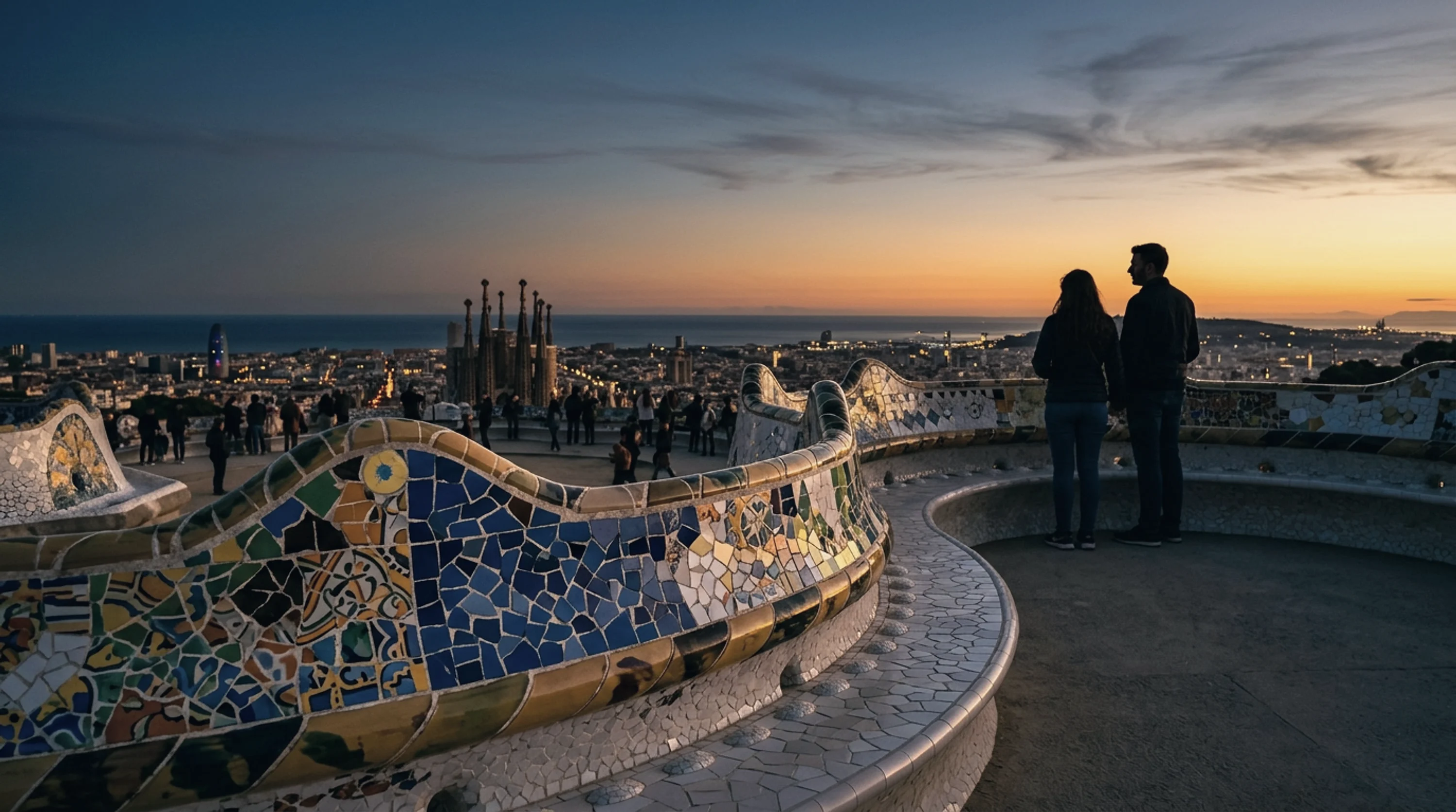
Start with the route itself. A tour may focus on Sagrada Familia, Park Güell, Casa Batlló and La Pedrera, or it may include only one or two of them. That choice changes the character of the day. Sagrada Familia tends to dominate because of its scale and interior light. Park Güell adds outdoor space, views and a different side of Gaudí's design. Casa Batlló and La Pedrera reward close attention to lines, surfaces and domestic details.
Check whether the route is fixed or flexible. A fixed route can be useful when a first visit needs structure, while a flexible one may suit repeat visitors or families with shifting energy levels. If the listing names several major stops, ask how much time is spent at each and whether travel between them is included in the overall duration. A packed list can look generous on paper but feel hurried on the day.
It is also worth checking how the Gothic Quarter fits, if it appears at all. It is not a Gaudí site in the same sense, but it can give context to Barcelona's older urban fabric. As with any extra stop, the question is not whether it sounds appealing in isolation, but whether it takes time away from the buildings you booked to see.
How entry and timing are handled
Timed access matters at several Gaudí landmarks. The useful point to check is not only whether entry is arranged, but what happens if plans shift. A tour that relies on strict admission times needs a clear arrival point, a clear start time and a realistic view of what counts as late. Details like skip-the-line access can reduce waiting, but they do not remove the need to be at the right place at the right time.
- Entry arrangements: Check which admissions are included and which are not, so the day does not depend on last-minute decisions.
- Meeting point: Confirm a precise place that is easy to find, especially when the first stop is near a busy landmark.
- Duration: Look at the total time, not just the time inside buildings. Transfers and short breaks change the pace.
- Late arrival policy: A private format may offer some flexibility, but timed landmarks still set limits.
- Route order: The order can affect crowd levels, walking effort and how the story of the visit unfolds.
Some visitors want an early start, others prefer a slower morning. The right timing depends on the season, your other plans and how much walking feels comfortable. A tour that starts near a site may be easier than one that begins elsewhere and adds a transfer before the first visit. If the day includes both Sagrada Familia and Park Güell, consider whether the climb and the heat will shape the experience. Searching for private gaudi tour barcelona options is only the first step; the schedule is what turns the idea into a usable day.
What the commentary actually offers
Guided commentary is one of the main reasons to book a private visit. Gaudí's work can be striking without explanation, but it becomes more legible when the guide connects shapes, materials, light and symbolism to the buildings in front of you. The useful question is how deep that commentary goes and how it is delivered.
A family visit may need short explanations, simple comparisons and space for questions. An architecture-focused visit may call for more detail about structure, geometry and the difference between architectural details that are decorative and those that serve a purpose. A general introduction should not feel like a lecture, and a specialist explanation should not be reduced to a few quick facts.
Check the language of the tour and whether questions are welcome throughout. Also consider the tone. Some explanations lean heavily on legends and quirks, while others stay close to documented design and history. Neither approach is wrong, but the best fit depends on what you want from the day. Clear guided commentary should help you notice more, not make you feel that you are being tested.
Group size, pace and accessibility
Private does not automatically mean calm. A private group can still feel rushed if the route is too ambitious, and it can still feel awkward if the format does not match the group. Check how many people the booking is designed for and whether there is room to pause. Ask how the guide handles mixed ages, mobility limits or different levels of interest.
Walking surfaces around Barcelona can vary, and some Gaudí sites involve slopes, steps or longer approaches. If anyone in the group needs a slower pace, that should be discussed before the booking is made, not during the visit. The point is practical: a landmark with a famous view is not much use if the route to it makes the day uncomfortable.
When comparing providers, a name such as privatetourinbarcelona.com may appear alongside other options, but the decision still rests on the specifics of the visit. Look at the route, the timing, the level of explanation and the way the booking handles changes. Those details matter more than a broad promise of a memorable experience.
What is included and what is left open
Before committing, separate the core experience from the extras. A listing may mention a private guide, admissions, transport, hotel pickup, meals or photographs. Each item affects how the day feels. Hotel pickup can be convenient, but it can also add waiting and a tighter schedule. A meal stop can make the visit more relaxed, yet it may reduce the time available for the buildings themselves.
Ask for the inclusions in plain terms. Which sites are entered, which are viewed from outside, and which are explained only in passing? Is there time to linger inside Sagrada Familia, or does the group move on as soon as the main features have been covered? Does Park Güell include the paid area, or just selected viewpoints? These are not small distinctions. They define what the visitor actually sees.
The same care applies to equipment and personal items. Comfortable shoes matter because the day may involve more walking than expected. A water bottle and sun protection can make a long afternoon easier in warm months. If tickets or vouchers are needed, check how they are provided and what the guide expects you to bring. Simple preparation prevents the visit from starting on the wrong note.
How the booking handles uncertainty
Travel plans change. A flight moves, a child is unwell, a meeting runs long, or heavy rain makes an outdoor stop less appealing. Before booking, read the terms that cover changes and cancellations. A clear policy is not a promise that every problem can be solved, but it does show where you stand. Pay attention to the window for changes, the conditions for refunds and whether the tour can be moved to another time.
Also check how the booking confirms the start time and meeting point. A private tour often depends on precise coordination, especially when timed entry is involved. If the details arrive late or remain vague, that uncertainty can affect the whole day. A professional listing should make it easy to understand where to go, when to arrive and what happens after the booking is confirmed.
Weather is another practical factor. Barcelona can be pleasant for walking, but heat, rain and wind all change how a route feels. If the itinerary relies heavily on outdoor stops such as Park Güell, think about whether there is a sheltered alternative or a way to shorten that portion. The answer does not need to be elaborate. It simply needs to be realistic.

Matching the tour to the reason you are going
The final check is personal. A private Gaudí tour can suit a couple seeing the city for the first time, a family that wants a steadier pace, or a visitor returning to study specific buildings. Each purpose leads to a different choice. A broad route may be ideal for orientation. A focused visit may be better if the main goal is Sagrada Familia or the details at Casa Batlló and La Pedrera.
Think about what would make the day feel worthwhile. Is it seeing several landmarks in one outing, having time to ask questions, avoiding long waits, or getting a clearer understanding of Gaudí's visual language? Write down the priority before comparing options. That small step makes it easier to ignore attractive but irrelevant extras and focus on the parts that will shape the visit.
A good booking decision is rarely about finding the most impressive wording. It is about matching a real route, a real pace and a real level of explanation to the day you have planned. Check those points carefully, and the tour is far more likely to feel smooth from the first meeting point to the last stop.